
Maxillofacial Pathology
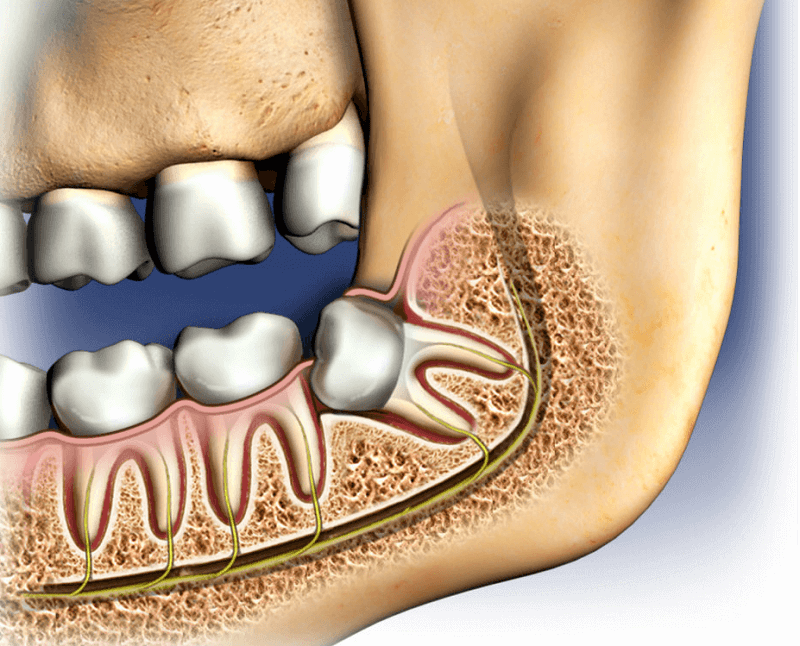
Wisdom Tooth Surgery
Wisdom tooth surgery is a common dental procedure performed to remove one or more wisdom teeth—the last molars at the back of the mouth. It is usually recommended when these teeth are impacted, misaligned, or causing pain, swelling, infection, or crowding of nearby teeth. If left untreated, impacted wisdom teeth can lead to gum disease and damage to surrounding teeth.
The procedure is performed using advanced techniques under local anesthesia or sedation, ensuring a comfortable and virtually painless experience. With proper care and expert planning, recovery is smooth, helping restore oral health and prevent future dental complications.
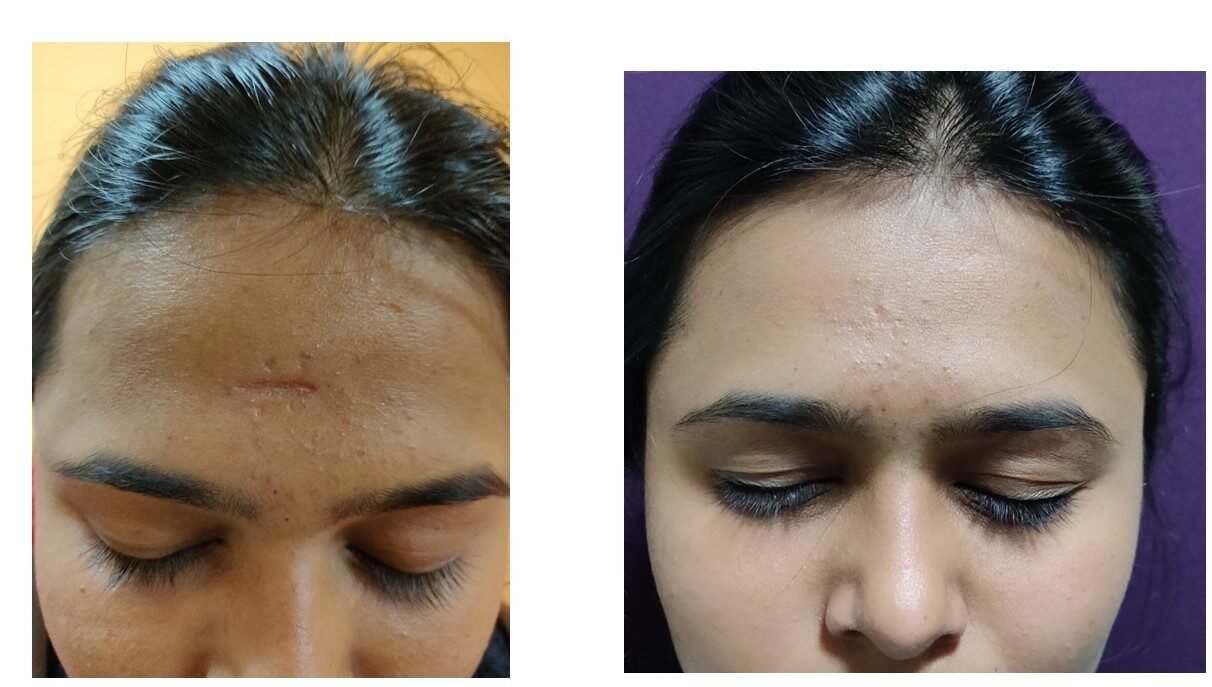
Scar Removal Surgery
Scar Removal Surgery, also known as scar revision surgery, is performed to reduce the appearance of visible scars on the face and neck. It is ideal for scars that are raised, uneven, or noticeable due to injury, surgery, or acne. The goal is to make scars less visible by improving their texture, size, and alignment with natural skin lines.
The procedure may involve advanced techniques such as surgical excision, Z-plasty, or tissue repositioning, depending on the scar type. Each treatment is carefully customized based on the patient’s skin and scar condition, ensuring smoother, more natural-looking results with improved skin appearance over time.
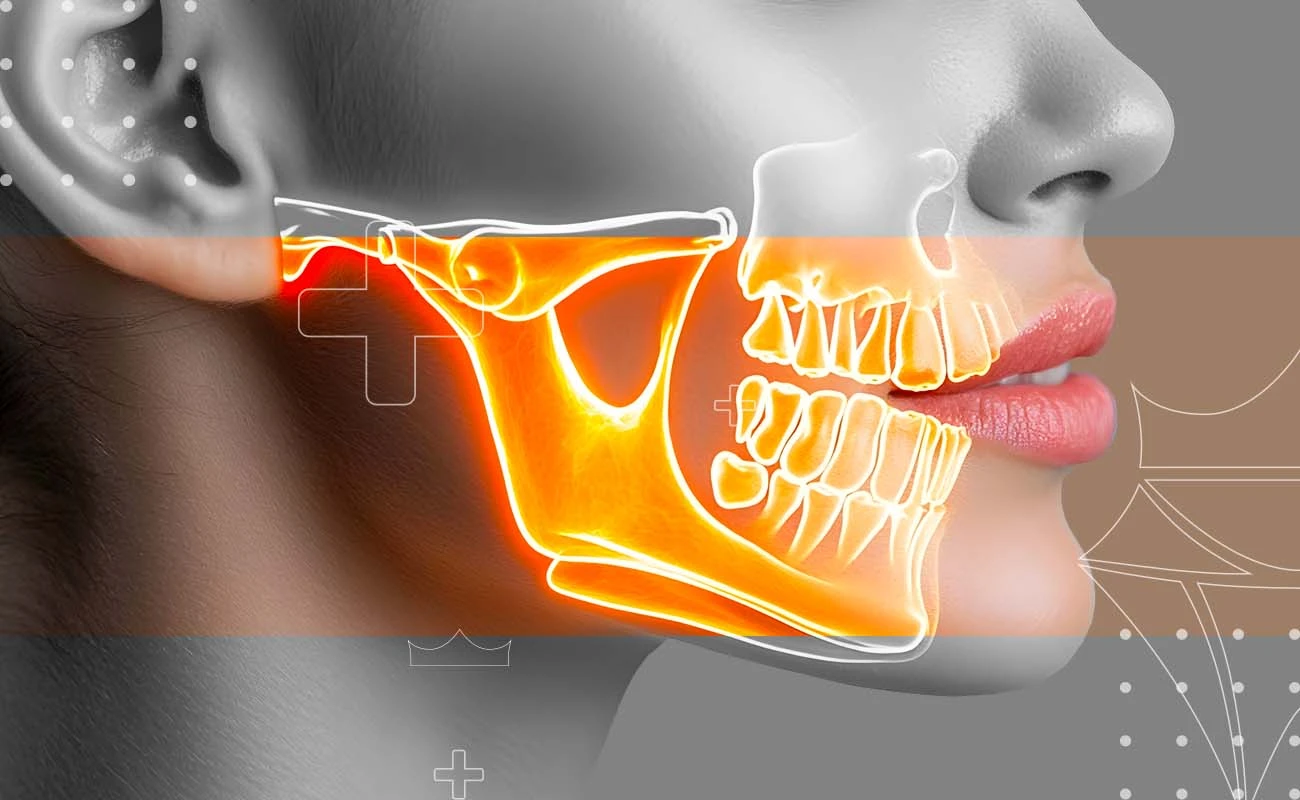
Jaw Cyst / Tumor Surgery
Jaw Cyst or Tumor Surgery is performed to safely remove abnormal growths from the jaw while preserving its function and structure. These may include odontogenic cysts, benign tumors like ameloblastoma, or other aggressive lesions that can affect oral health if left untreated. Symptoms may include swelling, pain, or changes in jaw shape.
The procedure is planned using advanced imaging to ensure precise and complete removal with minimal impact on surrounding tissues. In some cases, bone grafting or reconstruction may be required to restore the jaw. With expert care and proper planning, the surgery helps maintain function, improve comfort, and prevent recurrence.
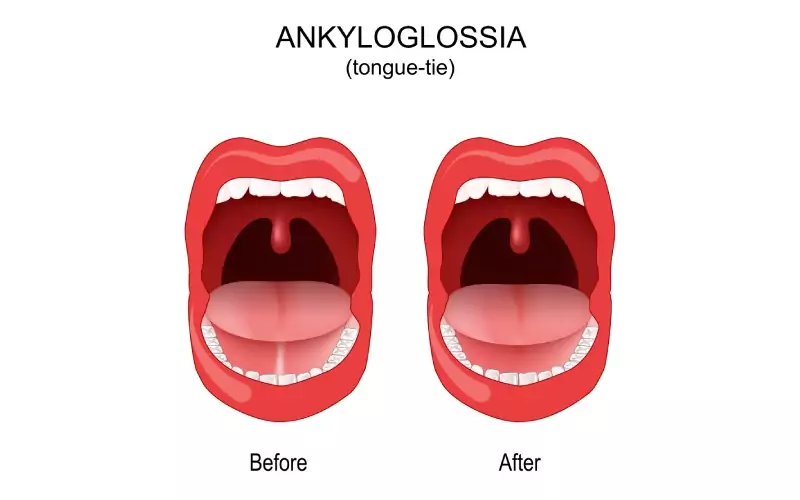
Tongue Tie Release
Tongue Tie Release, also known as Frenectomy, is a simple procedure that corrects a restricted tongue movement caused by a tight frenulum. This condition can lead to feeding difficulties in infants, speech issues in children, and oral hygiene problems in adults. Early treatment helps improve tongue function and overall comfort.
The procedure is quick and usually performed using advanced techniques like surgical scissors or laser under local anesthesia, ensuring minimal discomfort. It typically takes 15–30 minutes, and patients often notice immediate improvement in tongue mobility. With proper care, healing is fast, allowing better speech, eating, and oral health.